WebMCP for Laravel Implementation
Build an AI-Ready Data Infrastructure with Laravel
Modern search, automation platforms and AI systems rely on structured, machine-readable data to understand websites and digital platforms. Traditional web applications are designed primarily for user interaction, but they often lack the structured infrastructure required for AI-driven systems.
WebMCP for Laravel bridges this gap.
By implementing Web Model Context Protocol (WebMCP) within your Laravel application, your platform can expose structured business data through machine-readable endpoints. This allows AI systems, automation tools and intelligent agents to retrieve accurate information about your services, products and knowledge resources.
Our WebMCP for Laravel implementation service helps businesses transform their Laravel applications into an AI-compatible digital infrastructure built for modern search, automation and intelligent systems.
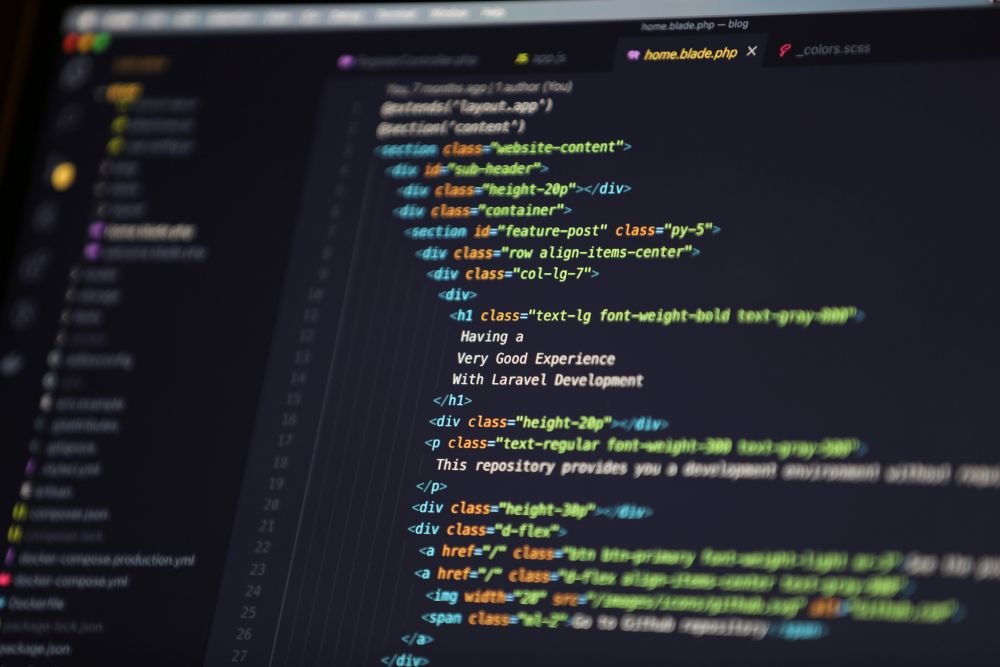
What Is WebMCP for Laravel?
WebMCP (Web Model Context Protocol) is a structured framework that allows websites and applications to expose contextual data through standardized endpoints.
With WebMCP implemented in Laravel, your application can provide structured datasets such as:
- Services and offerings
- Product information
- Organizational data
- Documentation and resources
- Knowledge frameworks
Instead of relying only on web pages, AI systems can retrieve structured data directly from your Laravel application, improving interpretation and accuracy.
Why Implement WebMCP on Laravel?
AI-Ready Web Applications
WebMCP allows AI systems to clearly understand your business structure, services and expertise.
Structured Data Infrastructure
Expose machine-readable datasets that automation platforms and AI agents can access programmatically.
Seamless API Integration
Laravel’s flexible architecture makes it ideal for building scalable WebMCP endpoints and structured data frameworks.
Future-Proof Digital Platforms
Prepare your application for AI-driven search, automation systems and intelligent assistants.
5. AI Compatibility Testing
Endpoints are tested to ensure AI agents and automation platforms can retrieve structured data accurately.


Our WebMCP for Laravel Implementation Process
1. Application Architecture Audit
We analyze your Laravel project structure, APIs and existing data models.
2. Entity & Data Modeling
We define structured entities such as services, products and knowledge resources.
3. MCP Endpoint Development
Custom endpoints are built to expose structured datasets in machine-readable formats.
4. Laravel Integration
WebMCP architecture is integrated with Laravel APIs, models and database structures.
5. Testing & Validation
We ensure AI systems and automation tools can retrieve and interpret the data correctly.
Technical Capabilities
Our WebMCP Laravel implementation includes:
- Custom WebMCP endpoint development
- Laravel API architecture integration
- Structured data modeling
- Semantic entity relationships
- Scalable data exposure frameworks
- AI compatibility testing

Who Should Use WebMCP for Laravel?
- SaaS Platforms – Structure product capabilities and documentation.
- Technology Companies – Provide machine-readable information about services and solutions.
- Knowledge Platforms – Enable AI systems to retrieve structured insights.
- Custom Web Applications – Expose business data for automation and intelligent systems.
Why Choose Our WebMCP Implementation Service
Implementing WebMCP requires expertise in modern web architecture, structured data systems and AI-ready infrastructure.
Our team specializes in building machine-interpretable digital platforms that support AI discovery, automation and intelligent integrations.
We help businesses transform Laravel applications into future-ready knowledge infrastructure.

Build an AI-Ready Laravel Application
AI systems are reshaping how digital platforms are discovered, interpreted and integrated.
Our WebMCP for Laravel implementation service helps businesses upgrade their applications into structured, machine-readable platforms built for the future of intelligent web systems.